
Abstract
Sex-biased patterns of gene expression in mammalian liver affect numerous biological processes, leading to sex differences in metabolism and disease risk. These sex differences in gene expression are determined by the sex-differential pattern of secretion of growth hormone, and are mediated by the combinatorial interactions of transcription factors. HNF6 is a growth hormone-regulated, liver-enriched transcription factor involved in the regulation of sex-specific genes. Global HNF6 binding showed extensive sex-biased binding activity, with enrichment at correspondingly sex-biased accessible chromatin regions (DNase hypersensitive regions, DHS) and a strong positive correlation with the sex-biased expression of neighboring genes. Genome-wide chromatin state maps developed previously, based on DHS analysis and six histone marks in male and female liver, were used to cluster the sex-biased HNF6 binding sites. We thus identified sex-biased HNF6 binding sites in the same chromatin state, and binding sites in different chromatin states between male and female liver. These clusters included: (1) female-biased HNF6 binding sites located within enhancer states in female liver but found within inactive chromatin states in male liver, and correspondingly for male-biased HNF6 binding sites, indicating that sex-differential chromatin states can be a determinant of sex-differential HNF6 binding; (2) female-biased HNF6 binding sites located within enhancer states in both male and female liver, but that are not in regions of accessible chromatin, and correspondingly for male-biased HNF6 binding sites, indicating that factors other than accessibility to chromatin and local chromatin state may confer sex bias in HNF6 binding. Supported in part by NIH grant DK33765 (to DJW).
Sex-biased HNF6 binding sites are potential regulators of sex-biased genes
Sites were mapped to genes using GREAT, using a distance cutoff of 100 Kb. Gene enrichments were calculated by comparing the number of sex-biased targets of sites in the set to the number of biased genes that are targets of 27,446 sex-independent binding sites. The sex bias of the target genes was determined using a list of 435 male-biased and 503 female-biased genes obtained using RNA-seq. Binding sites were also analyzed for overlap with DHS, and the sex bias of the DHS was determined using a list of 4,644 male-biased and 2,814 female-biased binding sites obtained using DNase-seq.
| HNF6 sites | M-biased targets | F-biased targets | Sex-independent targets | HNF6 sites at M-biased DHS | HNF6 sites at F-biased DHS | |
|---|---|---|---|---|---|---|
| Male-biased sites | 4,260 | 142 ES: 2.08 P: 2e-10 |
85 | 2,470 | 610 | 4 |
| Female-biased sites | 2,428 | 49 | 155 ES: 2.98 P: 1e-21 |
2,017 | 6 | 145 |
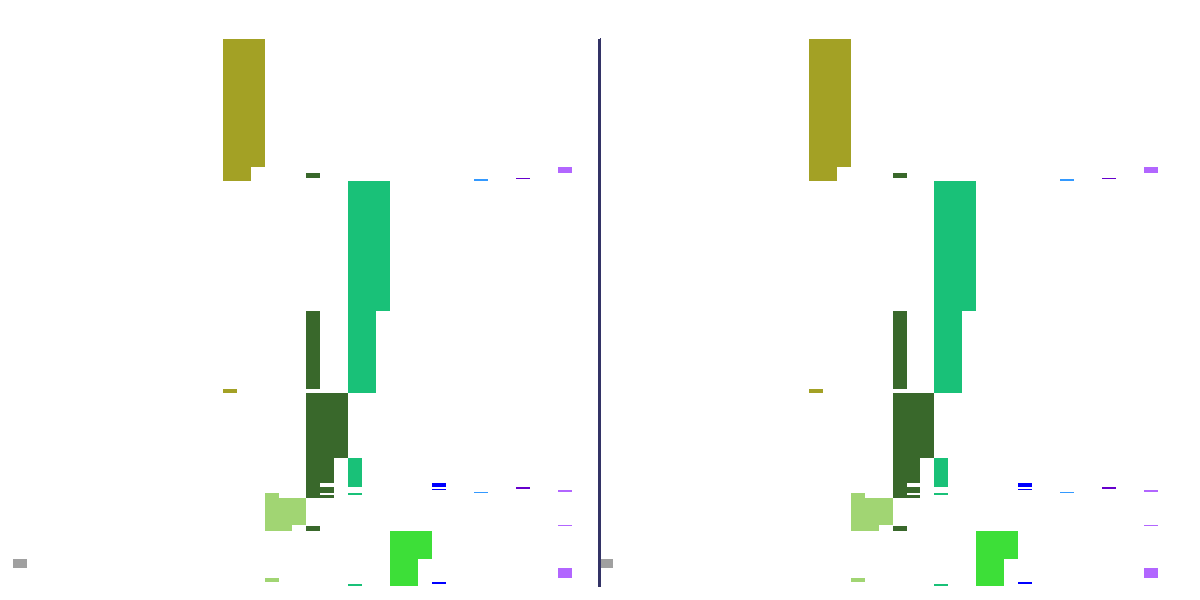
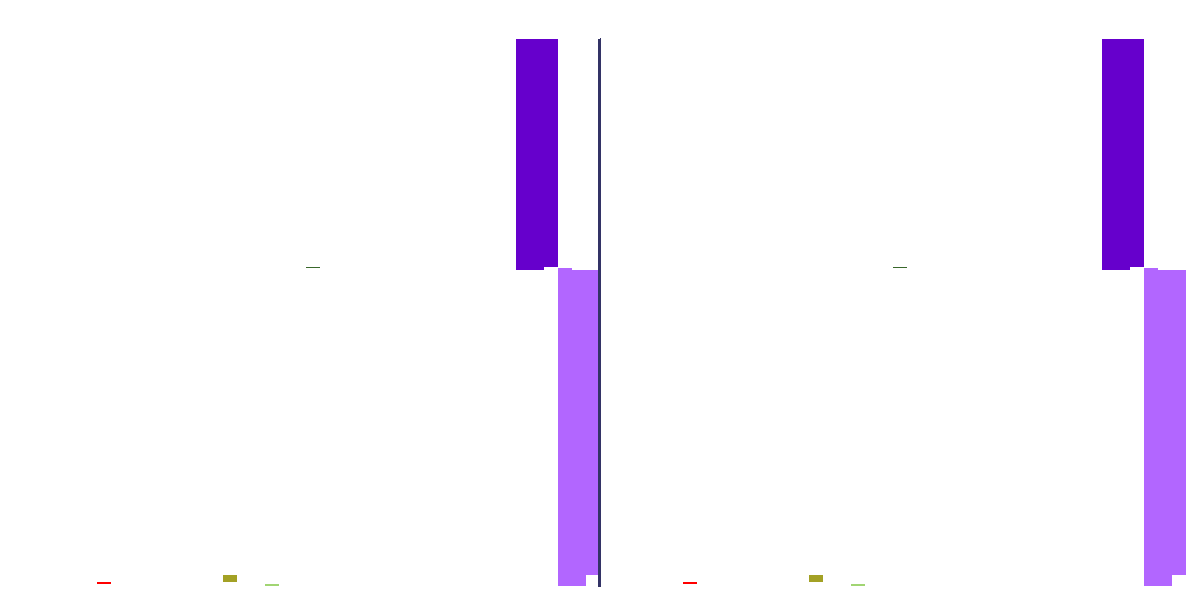
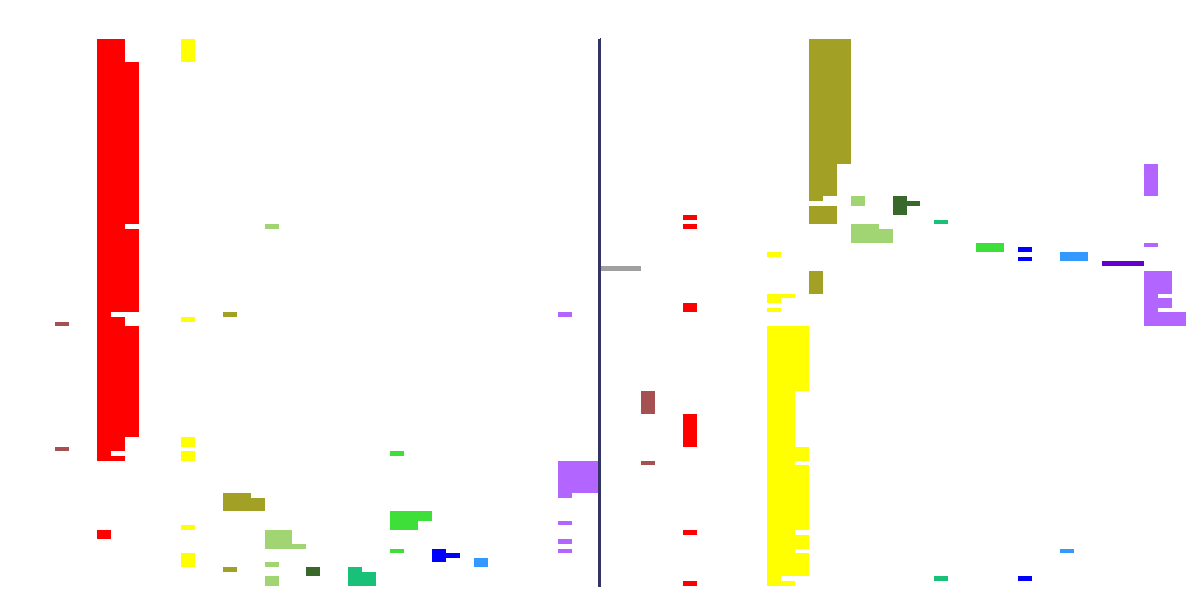
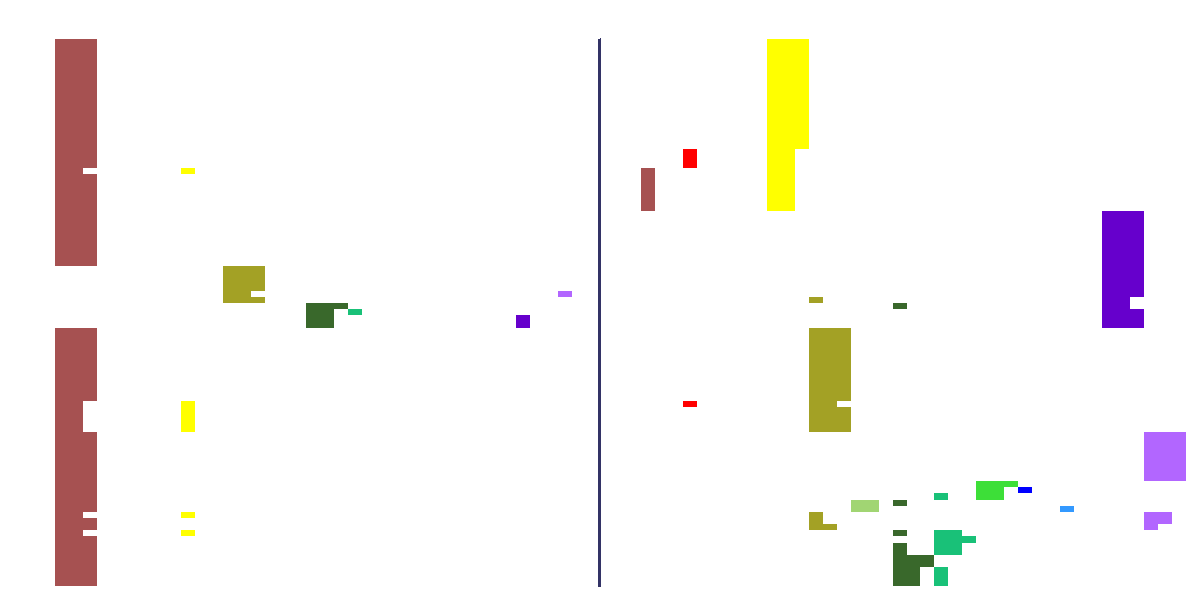
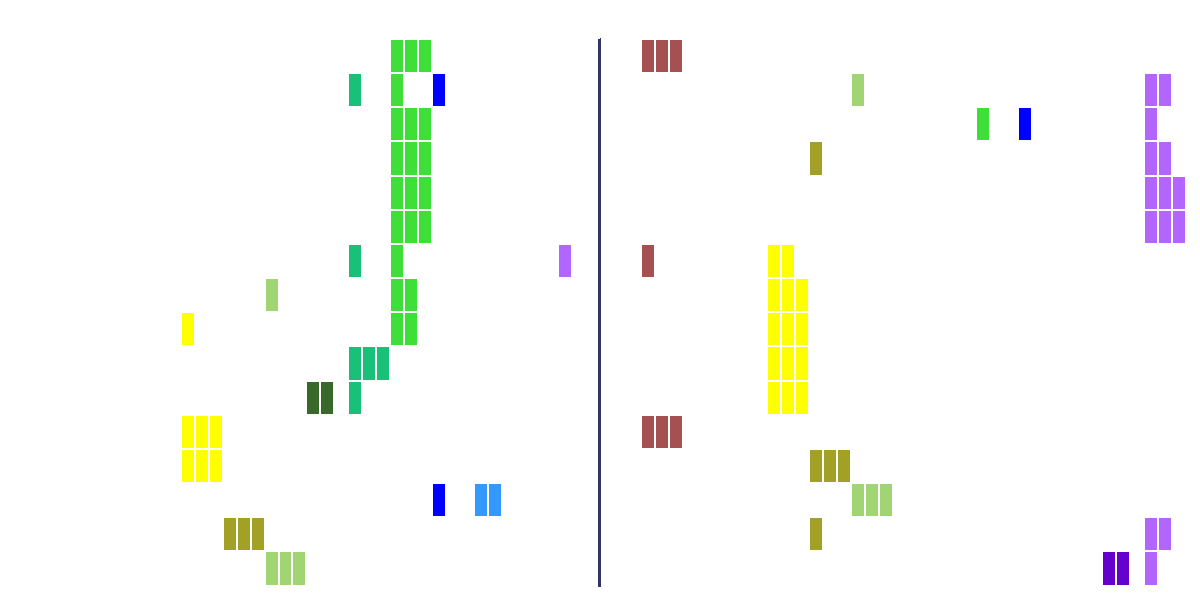
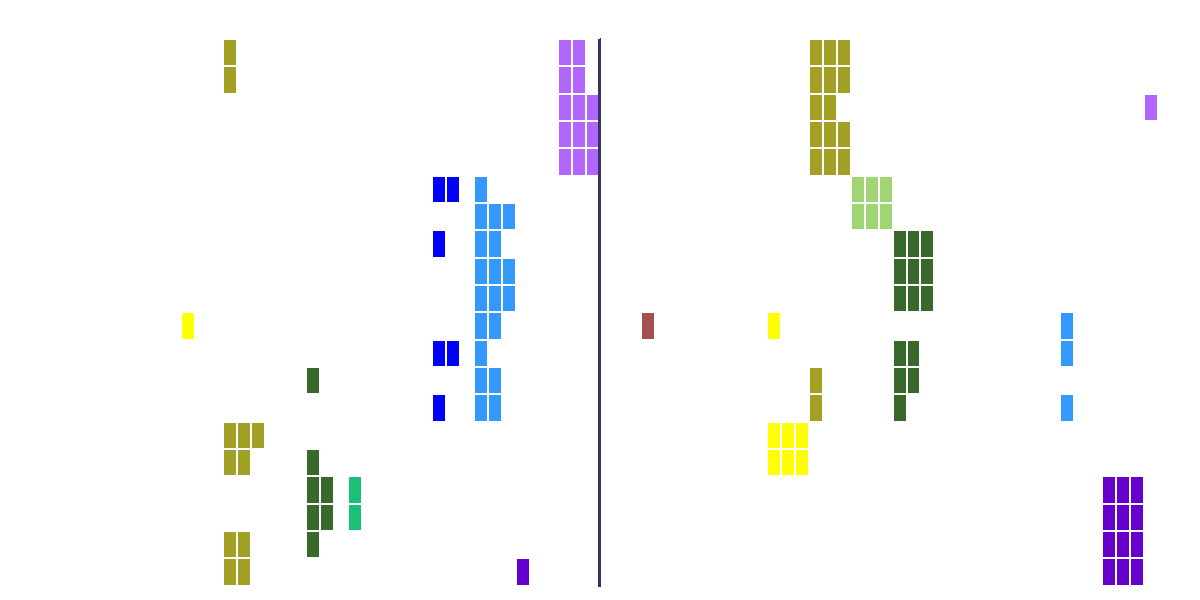
Clustering HNF6 binding sites by sex-differential patterns of chromatin states
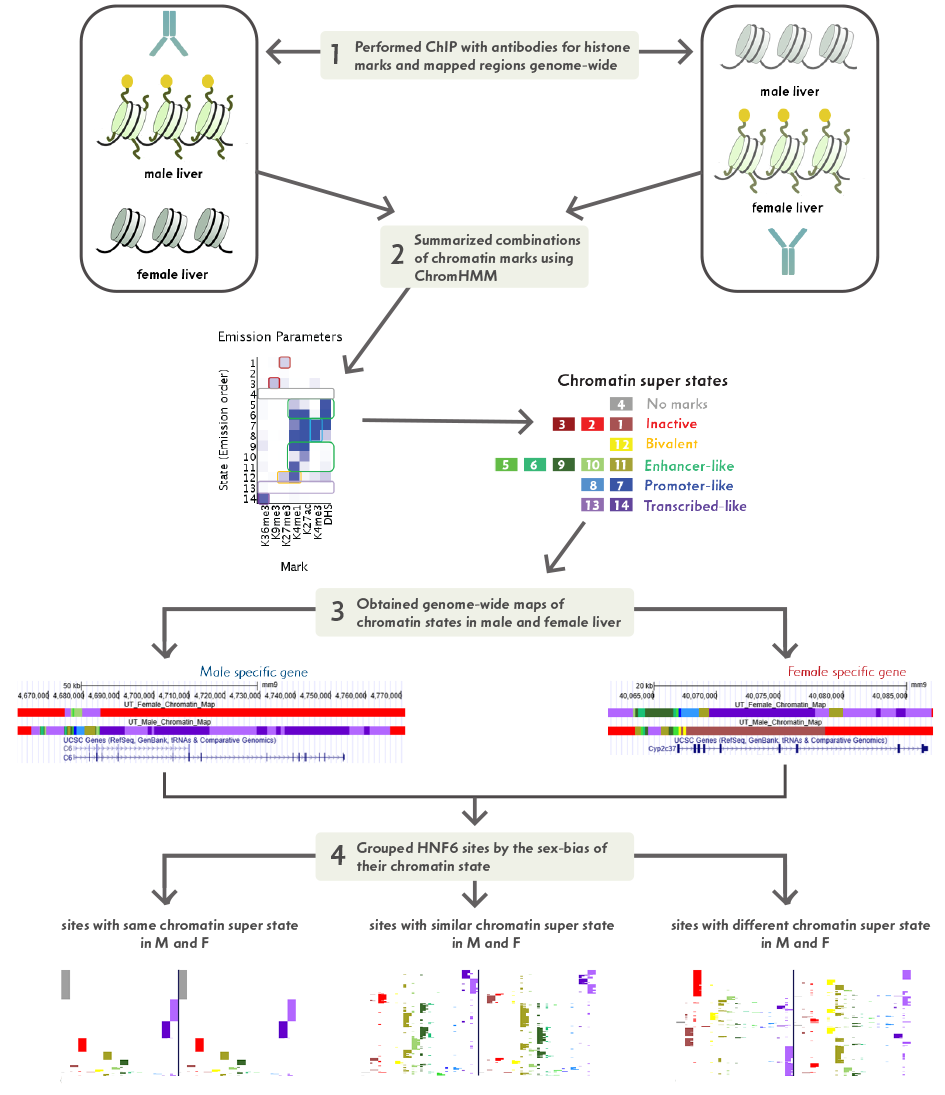
Male-biased binding sites in enhancer-like states in both male and female liver (approximately 20% of all M-HNF6 sites) are enriched for male-biased genes
 |
 |
Male-biased binding sites in inactive state in female and enhancer-like state in male liver (approximately 22% of all M-HNF6 sites) are enriched for male-biased genes
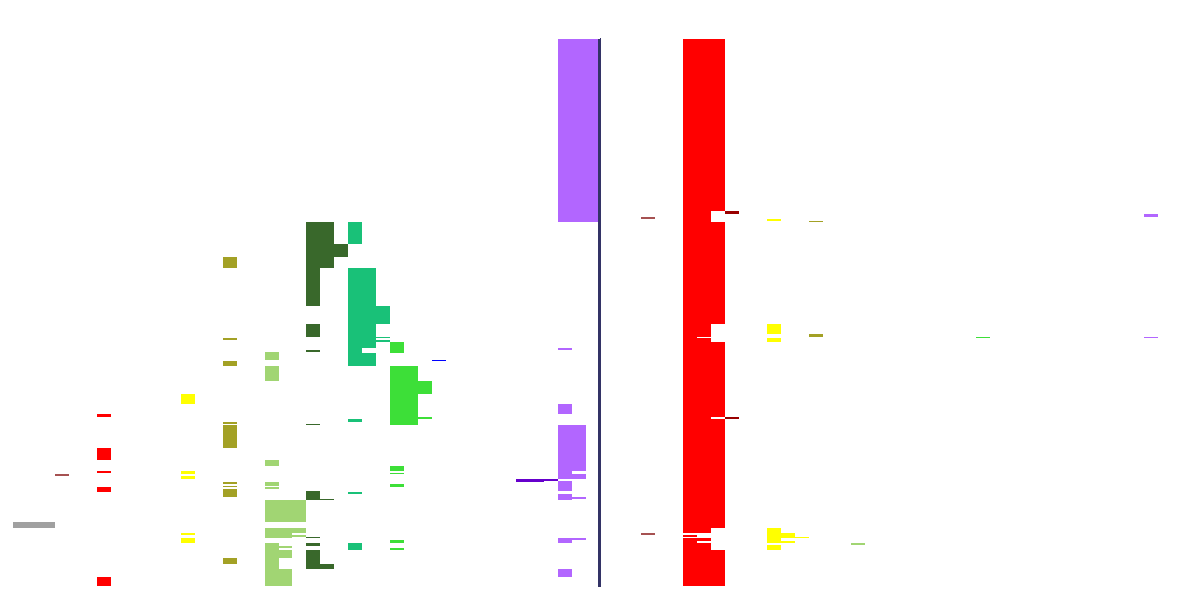 |
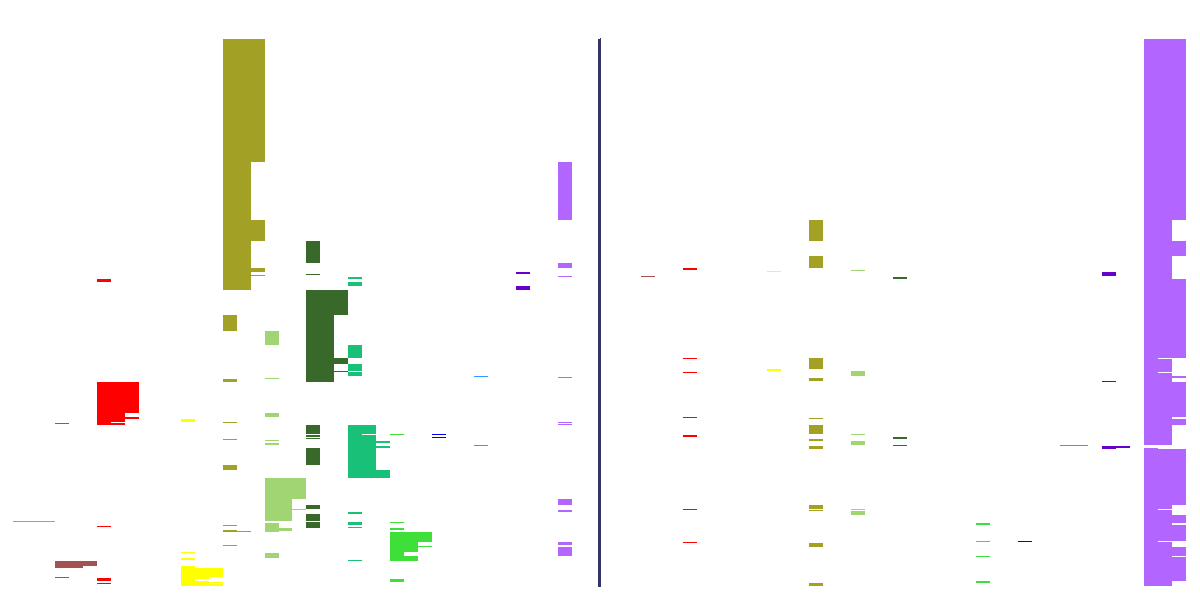 |
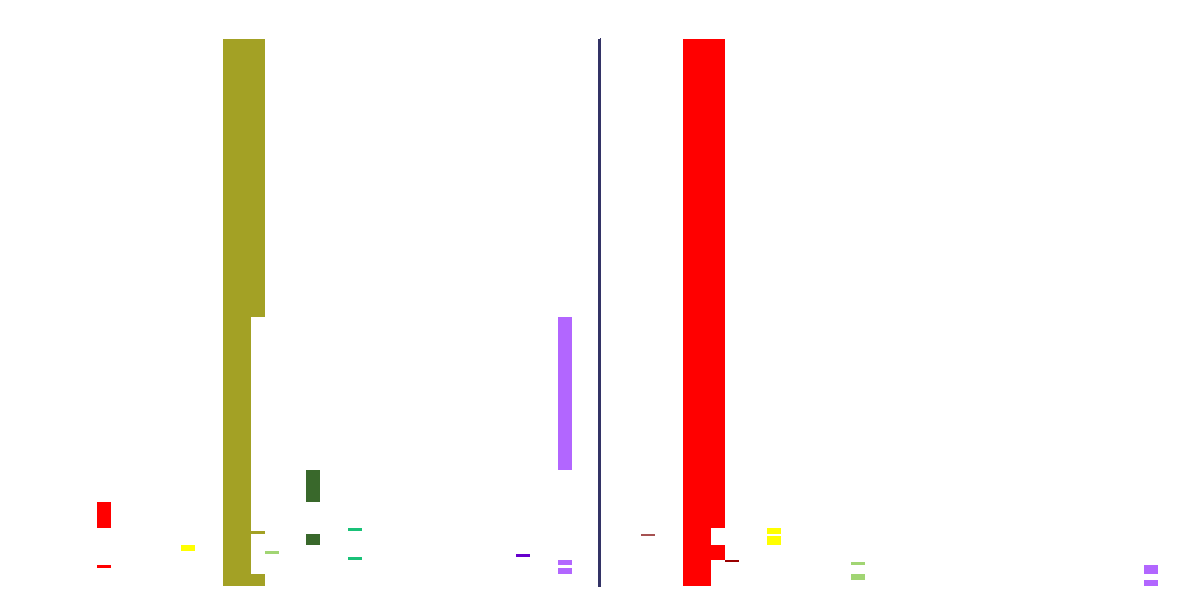 |




Sex-biased HNF6 binding and chromatin accessibility
at regions showing sex-differential accessibility are enriched 4-fold, p 2e-11
|
sites in enhancer-like states in both male and female liver are enriched 5.6-fold, p 5e-10  |
|
sites in enhancer-like state in male and bivalent or transcribed-like in female liver are enriched 3-fold, p 1e-2 |
 |
at regions not showing sex-differential accessibility are enriched 2-fold, p 3e-8
sites in enhancer-like states in both male and female liver | ||
 |
 |
|
sites in enhancer-like state in male and inactive or transcribed-like in female liver, and sites in promoter and transcribed-like state in male and enhancer-like state in female liver | ||
 |
 |
 |
Summary of findings
- Sex-differential HNF6 binding takes place at regions with sex-differential chromatin environment, as well as regions with similar chromatin environment in both male and female liver. The sex-differential chromatin environment is characterized by sex-differential chromatin accessibility, and sex-differential histone modifications.
- The sex-differential chromatin accessibility at HNF6 sites may be facilitated by sex-differential histone modifications or by binding of pioneer factors or other factors that interact with chromatin-remodeling complexes.
- Sex-differential HNF6 binding at regions with sex-independent chromatin states could be determined by factors such as sex-specific cofactors of HNF6, or by sex-differential chromatin marks not included in our study.
- In general, sex-biased HNF6 binding sites that are in a more active state in the corresponding sex (e.g. enhancer-like or bivalent versus inactive state) are highly enriched for correspondingly sex-biased targets.
- The identification of numerous sex-differential HNF6 binding sites at genomic regions not showing sex-differential chromatin accessibility indicates that mechanisms other than chromatin opening regulate the sex-bias of the binding
References
Ernst, J. and Kellis, M. (2012). ChromHMM: automating chromatin-state discovery and characterization. Nature methods, 9(3):215-216.
Sugathan, A. and Waxman, D. J. (2013). Genome-Wide analysis of chromatin states reveals distinct mechanisms of Sex-Dependent gene regulation in male and female mouse liver. Molecular and Cellular Biology, 33(18):3594-3610